
Posted by ImproveCareNow™ on December 04, 2025
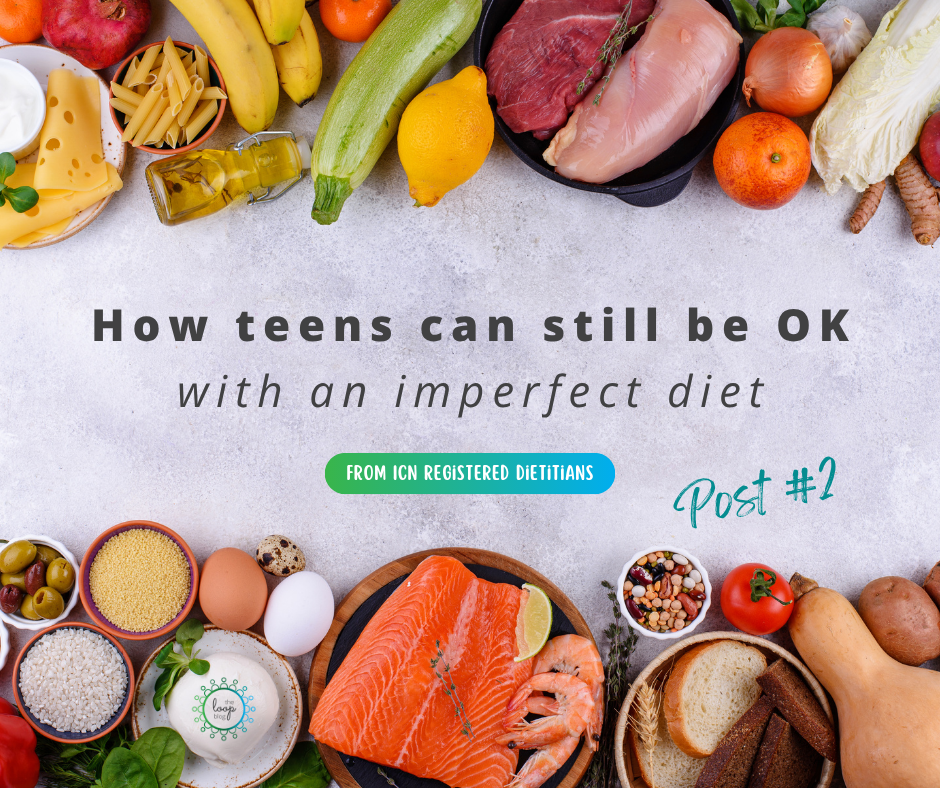
In Imperfect, and still OK - Nutrition is Trial and Error, Marta reflected on partnering with pediatric IBD patients and their families to find a balance between following dietary "best practices" and holding space for kids and teens to learn and develop their own food autonomy through trial and error. In this follow-up post, Marta expands on how teens can still be OK even when their diet isn't "perfect," and gives some tools and techniques to build and reinforce balanced eating habits that can be sustained for a lifetime.
💚 Focus on Key Nutrients
Teenagers eat imperfectly and that's OK! While trial and error is necessary for teens to develop autonomy in eating, it is also important to find ways to integrate key nutrients that are essential for growth, energy, and overall health:
🍳 Protein
Protein helps with growth, repair, and muscle development. Sources include: chicken, tofu, beans, eggs, yogurt, cheese, milk, and fish.
🥛 Calcium & Vitamin D
Calcium and vitamin D are both important for bone growth and strength. Sources include: dairy, leafy greens, fortified plant milk, and sunlight for Vitamin D. For more information check out: No bones about it - Vitamin D & IBD and Improving Bone Health
🫘 Iron
Iron is crucial for carrying oxygen in the blood. Sources include: red meat, beans, lentils, spinach, and fortified cereals. For more information check out: Know your iron status: Iron deficiency and IBD
🥗 Fiber
Fiber supports digestion and heart health. Sources include: fruits, vegetables, whole grains, and legumes. For more information about fiber, including some recipe ideas, check out: Fiber and IBD
🥑 Healthy Fats
Healthy fats are important for brain health and overall energy. Sources include: nuts, nut butters, avocado, olive, sunflower or grapeseed oil, and fish like salmon, trout, or sardines.
DYK: snacking can be an opportunity to add important nutrients! For simple, dietitian-approved snack ideas (with nutrition notes), check out Snack Idea for Children and Teens with IBD 🍴
💙 Balance and Moderation (Not Perfection)
It’s normal for teens (and all of us, really) to indulge from time to time. Whether it be fast-food, sweet treats or sugary soda, the key is not strict avoidance but balance and moderation. Here are some things to consider:
- If your teen’s diet often lacks vegetables, make an effort to add them to meals a few times a week. Ultimately, they should be able to choose whether or not to eat this food as this builds and reinforces autonomy around eating.
- Instead of striving for "perfection," look for small habit improvements that feel manageable and can be sustained.
- For example: instead of juice, choose a fruit or share a homemade smoothie. Here is a recipe for a Green Smoothie with Pineapple 🍍
- Regularly eating breakfast, not keeping sweetened beverages in the house, or serving a portion of sweets/snacks (rather than eating from the container) are some ways that adults can model important eating behaviors for teens.
- When you buy a bag of chips, because sometimes carrots and hummus just don't cut it at snack, take the time to review the serving size and put that amount in a bowl to enjoy.
- Planning indulgences - like a fancy coffee drink or a special dessert - once or twice a month rather than most days of the week makes them more special and enjoyable.
- If you find you're scaling back on expensive treats, it could be fun to put all the money you saved by not indulging as frequently, and put it toward something larger.
💚 Don’t Stress About Occasional "Off" Days
Teens will have days where they eat less-than-ideal foods (like pizza, chips, or cookies) and it's okay! The goal is to build overall healthy eating habits rather than worrying about one-off meals. Encouraging a mindset that doesn’t stress over occasional indulgences can help maintain a healthier relationship with food.
- If you would like to understand more about disordered eating, here are some resources you can check out: Avoidant/Restrictive Food Intake Disorder in IBD (from ICN RDs) and the Disordered Eating Toolkit (from the ICN Patient Advisory Council)
💙 Involve Them in Food Choices
Encourage teens to get involved in meal planning and cooking. This helps them develop agency in how they approach healthy eating and sets them up to be more likely to make nutritious choices on their own.
💚 Mental Health is Part of Total Health
Enjoying food, including less-than-favorable foods in moderation, without stress, is a good practice for building healthy habits around eating. It also helps create a healthy relationship with food. Avoiding certain food types can be useful for some IBD patients, but if it isn’t sustainable for the patient or causing undo stress, it is a highly important question to consider: “can we achieve health with a different approach to nutrition?”
- Ask your care team about including a registered dietitian as part of your multidisciplinary IBD care team. If you are looking to find an RD to work with on your own, the Academy of Nutrition & Dietetics has a "Find a Nutrition Expert" option on their website (eatright.org/find-a-nutrition-expert)